For many people, the hardest part of personal finance isn’t budgeting or saving — it’s figuring out what to do after they’ve done both successfully.
You follow a budget.
You spend less than you earn.
You build a healthy cash balance in your savings account.
And then a new question appears:
Now what?
That question often comes with hesitation. The money you saved represents discipline, sacrifice, and time. The idea of risking it in unfamiliar markets can feel uncomfortable — even irresponsible.
That hesitation is completely reasonable.
Why Saving Alone Eventually Becomes a Problem
Cash feels safe. It doesn’t fluctuate in value, and it’s always available. But over long periods of time, cash has a hidden downside: inflation.
When money sits in a savings account earning less than inflation, its purchasing power slowly erodes. You aren’t losing dollars — but you are losing value.
At some point, saving alone stops being enough. The challenge becomes finding a way to earn a return without taking risks you don’t yet understand.
This is where many beginners get stuck.
Investing Doesn’t Have to Start With the Stock Market
When people hear the word investing, they often think immediately of stocks — volatility, headlines, crashes, and uncertainty.
But investing is much broader than that.
At its core, investing simply means lending your money in exchange for a return.
Understanding Bonds: Lending, Not Gambling
A bond is nothing more than a loan.
You lend money to a borrower.
The borrower gives you a promise to pay you back.
That promise — the bond — becomes your asset.
When the loan ends, you receive your original money back, plus a return.
In the case of U.S. Treasury securities, the borrower is the U.S. government — widely considered the lowest-risk borrower in the world. For this reason, Treasury securities are often described as “risk-free” in financial theory.
Treasury Bills vs. Bonds (A Simple Distinction)
Not all government securities work the same way.
Treasury Bills (T-Bills)
- Short-term loans (52 weeks or less)
- Do not pay periodic interest (coupon payments)
- Purchased at a discount to their $1,000 face (par) value
- At maturity, they pay the full $1,000 par value
Important note: When you buy a $1,000 Treasury bill, you do not pay $1,000 upfront. You pay less than $1,000. At maturity, you receive the full $1,000, and the difference between what you paid and what you receive is your return.
Treasury Bonds & Notes
- Longer-term loans
- Pay interest every six months
- Return principal at maturity
For cautious beginners, Treasury bills are often the simplest place to start.
The Yield Curve — Explained Simply
In general:
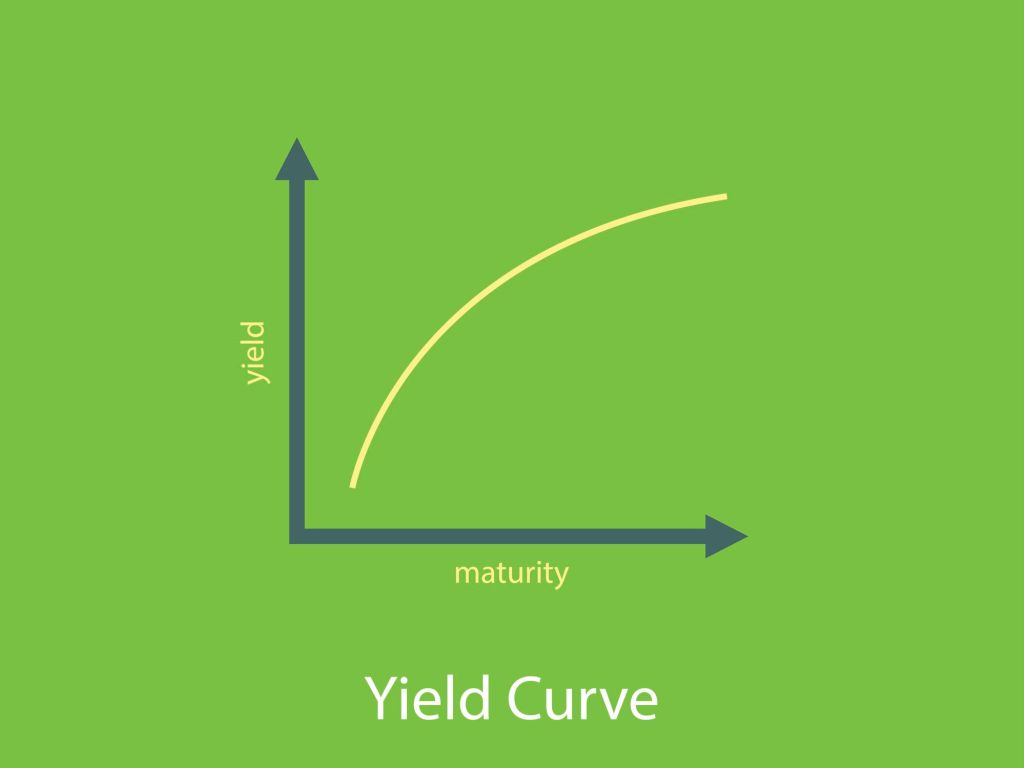
- Lending money for shorter periods earns lower returns
- Lending money for longer periods earns higher returns
This relationship is visualized by the yield curve.
You are compensated for:
- Time
- Giving up liquidity
- Uncertainty
Longer commitments generally result in higher yields.
A Practical Example: A Treasury Bill Ladder
Imagine you have $12,000 in savings and want to keep your money safe, accessible, and productive.
Instead of investing all $12,000 at once, you spread it out over time.
Step 1: Build the Ladder
On January 1st:
- Buy one $1,000 Treasury bill maturing at the end of January
- Buy one maturing at the end of February
- One for March
- One for April
- Continue until you’ve invested all $12,000
Each bill has a different maturity date. At this point, you’ve created a ladder.
Step 2: Rolling the Ladder Forward
Each month:
- One Treasury bill matures
- You receive the full $1,000 par value deposited back into your account
(There is no coupon or interest payment. The return was earned upfront when the bill was purchased at a discount.) - You immediately reinvest that same $1,000 by purchasing a new 52-week Treasury bill, extending the ladder forward
You repeat this process every month.
Over the first year, your effective yield gradually increases as more of your money is rolled into longer-dated (higher-yielding) Treasury bills. After 12 months, the ladder is fully established — meaning every dollar is consistently earning the highest short-term rate available, while still providing monthly access to cash.
Why This Strategy Works for Beginners
This approach offers several advantages:
1. Liquidity
You have access to cash every month without penalties.
2. Low Volatility
Short-term Treasury prices fluctuate very little.
3. Psychological Comfort
You are lending — not speculating.
4. Education
You learn how brokerage accounts, maturities, reinvestment, and yields work — with minimal risk.
This is investing with training wheels.
What This Strategy Is — and Isn’t
This strategy is not about:
- Getting rich quickly
- Beating the stock market
- Predicting interest rates
It is about:
- Protecting purchasing power
- Earning a reasonable return
- Gaining confidence
- Building sustainable investing habits
For many people, this is the ideal bridge between saving and long-term investing.
The Bigger Picture
Financial progress doesn’t require jumping from cash straight into risk.
It requires measured steps, growing confidence, and systems that match your temperament.
Treasury bills provide a way to put savings to work without abandoning safety — and without fear.
That’s often the best place to begin.





 BudgetBase
Leave a comment